

As far as non-surgical cosmetic treatments go, injectables have the quickest downtime. This means that unlike with other treatments (we’re looking at you, microneedling), you can return to the social world virtually “unscathed.” You may be left with only tiny marks at the injection sites, although bruising and swelling can also occur.
This is largely dependent on the particular procedure you have done. The duration of your recovery, similarly, depends on your flavour of injectable. In some cases, side effects are perfectly normal; in others they may be cause for concern.
This might leave you wondering, “What should I expect and what should I look out for after my injectable appointment?”
How Long is the Recovery After Injectables?
The most common procedures we associate with the category of “injectables” include filler and neurotoxin, but this class of treatments includes anything involving a syringe. Sculptra, Radiesse, and PRP/PRF (Platelet-Rich Plasma/Platelet-Rich Fibrin) are also considered injectables, and they have their own ranges for recovery. Here’s a quick rundown of what you can expect from each:
- Dermal Filler: You may experience mild side effects (bruising, swelling, redness, sensitivity, and/or itchiness) for up to a week following your filler treatment. Results can be seen 48 hours after treatment and last between 6 and 12 months.
- Lip Filler: Similar to dermal filler, you may experience mild side effects, including some bleeding (lips have more blood vessels) at the site of injection. You may also get cold sores or fever blisters if you’re susceptible to them. Results show up immediately and settle within a week. Results can last from 6 to 12 months, just like dermal filler.
- Neurotoxin: There’s no downtime with Botox; at most you may experience some redness or a tiny bruise at the injection site, which resolves soon after treatment. Results can be seen within 3–5 days and settle within 2 weeks. Results last about 3–4 months.
- Sculptra: Side effects of Sculptra include swelling or redness for 24–48 hours and bruising and sensitivity for up to 2 weeks. Results appear gradually within 3–6 months and last 2 years after a full course of treatment (3 treatments). You’ll need to massage your treatment area for 5 days, 5 times/day, for 5 minutes. You’ll also want to avoid direct sun exposure for a few days after treatment.
- Radiesse: You may experience temporary sensitivity, redness, and itching following a Radiesse treatment. Swelling lasts up to 3 days and bruising up to 7 days. Results from the hyaluronic acid (which we often combine with our Radiesse treatments) show up immediately, while the Radiesse itself takes about a month to appear. Treatment outcomes last 12–18 months.
- PRP/PRF: Side effects for PRP include swelling or a ‘sunburn’ effect for 3–5 days, while PRF swelling can last for up to 2 weeks. Results from both procedures show up about 2–3 weeks following treatment, with final results appearing 4-6 weeks later. PRP/PRF results last up to a year when following professional recommendations.
Although these are generic timelines to expect from various injectable treatments, you can support your recovery with some thoughtful skincare and a little TLC.
View this post on Instagram
Supporting Your Injectable Recovery
As far as skincare goes, you want to support your healing with soothing ingredients like arnica found in Alastin’s INhance post-injection serum and northern truffle extract from Miracle 10’s Soothe. You also want to supplement with topical hyaluronic acid to really support that skin barrier.
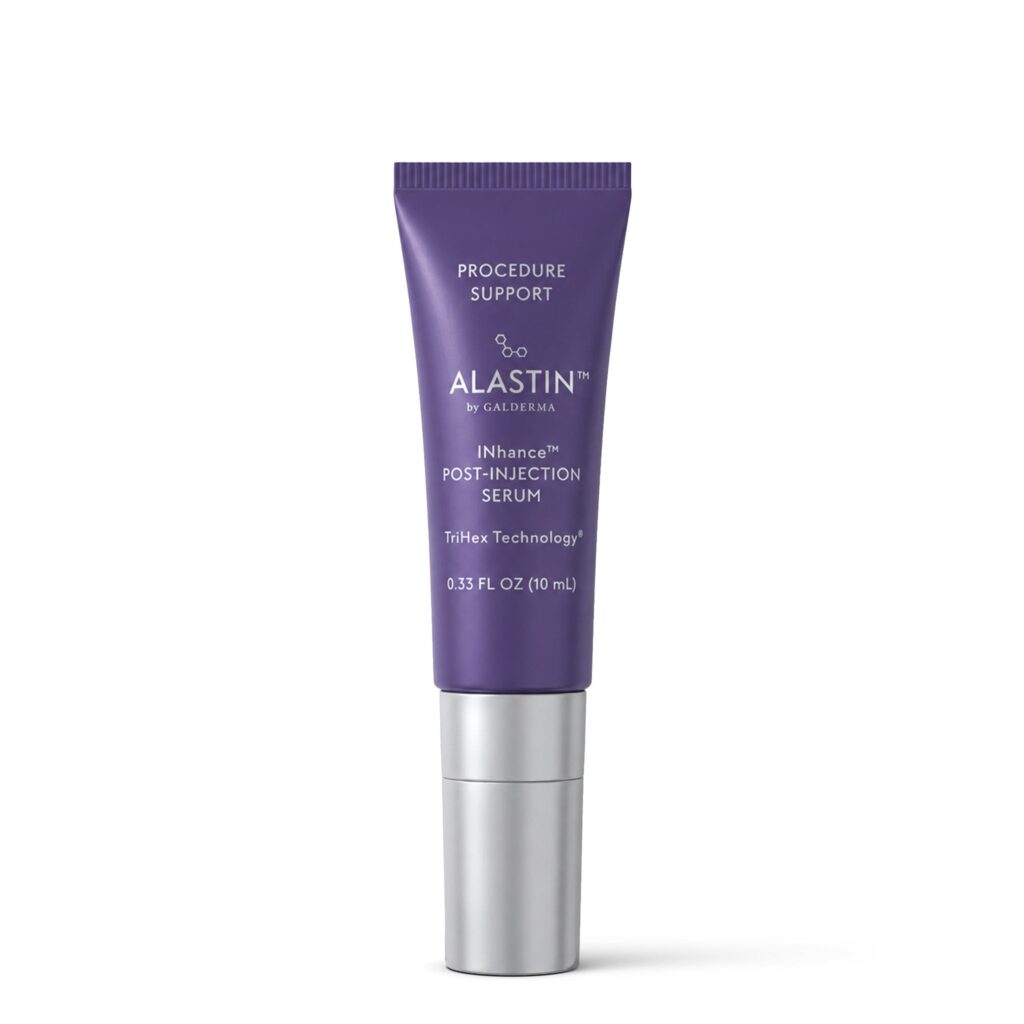
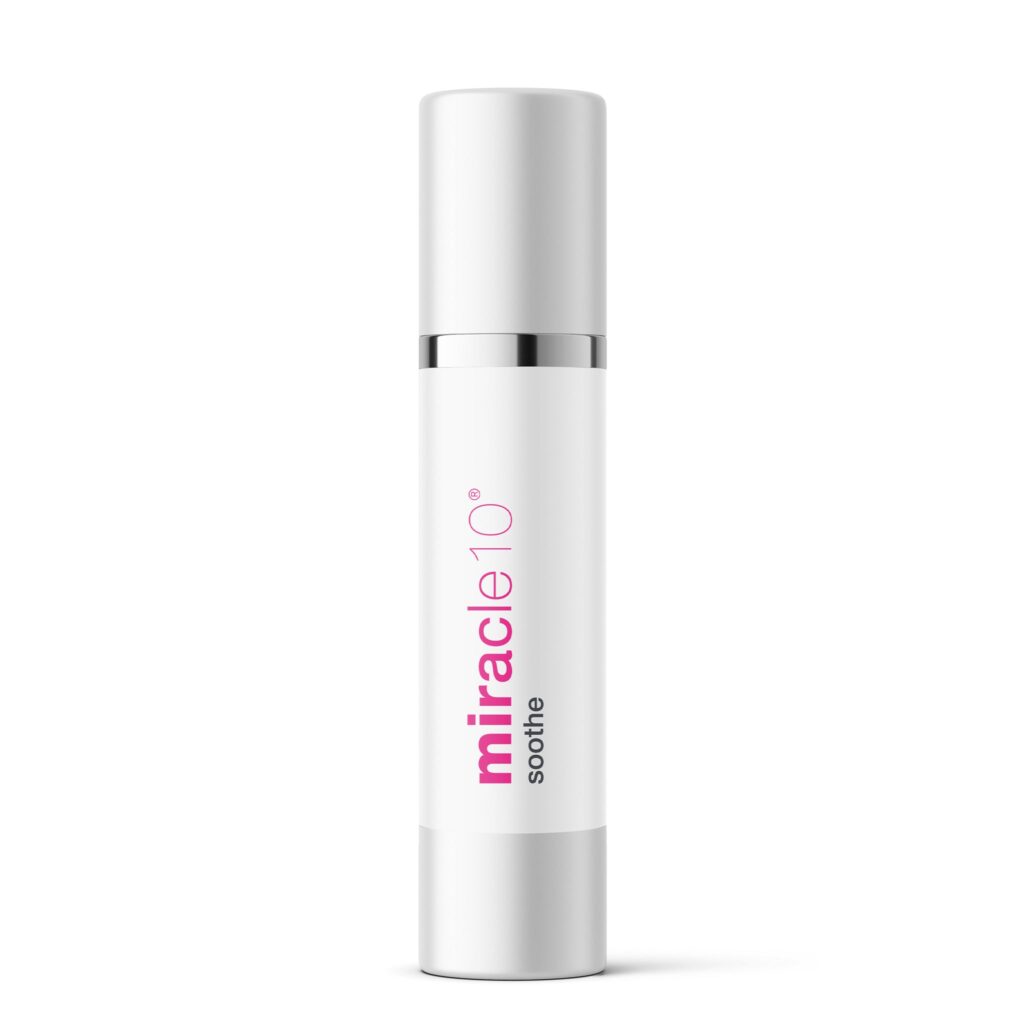
Supporting recovery doesn’t just include the things we should do, though. After all, most of the work is handled by our immune system. Sometimes it’s actually more effective to avoid certain behaviours so we don’t get in the way of our body’s natural healing.
Besides developing an optimal skincare routine, here are a few more post-injectable considerations:
Practice the wisdom of “LITHA”
This is a great guideline that comes from piercing aftercare, and it applies to cosmetic treatment too. It stands for Leave It The Heck Alone. Often in our attempts to fix things, we do more harm than good.
When it comes to recovery after Botox, filler, or some other injectable, you want to leave the injection site alone. Avoid potentially irritating products or techniques (i.e., actives and exfoliation), and let things settle before fretting.
Practice Good Hygiene Around the Injection Site
Although it’s a tiny wound, an injection still breaks the skin, leaving it vulnerable to pathogens. Practice good hygiene around the site by using gentle cleansers, changing your pillowcase after treatments, and avoiding touching the treatment area.
Practice Precautions Before Your Injectable Treatment
Before coming in for your Botox and/or filler treatment, you might want to limit your use of blood thinners like Advil, aspirin, and even iron supplements. It goes without saying that if you’ve been advised to take these regularly by a healthcare provider, then follow their guidance.
Your provider can advise you on whether any medications or supplements should be avoided before treatment. Other precautions include rebooking if you’ve had a recent bacterial or viral infection and waiting until after pregnancy and breastfeeding to undergo injectable treatment.
When Recovery Goes Wrong: When Should I Contact the Clinic?
Although we do our very best to limit the risks associated with cosmetic treatments, sometimes recovery goes wrong. It’s critical to know what to flag during your healing and when it might be time to call your provider.
If the mild side effects we listed exceed their average duration, you should contact the clinic. Everyone varies in terms of their recovery times, but redness, swelling, and bruising that last for multiple days or weeks (depending on the treatment) might signal that something’s wrong.
Similarly, any side effects besides the ones listed could be cause for concern. If there’s fluid at or around the injection site, or you break out into hives, or you experience some other unlisted symptom, you should call the clinic. These could be the signs of an allergic reaction or bacterial infection.
When in doubt, give us a shout. Our team is here to support you throughout your treatment journey. For more information about recovery following injectables, or if you’re interested in booking an appointment, fill out the form below.
View this post on Instagram