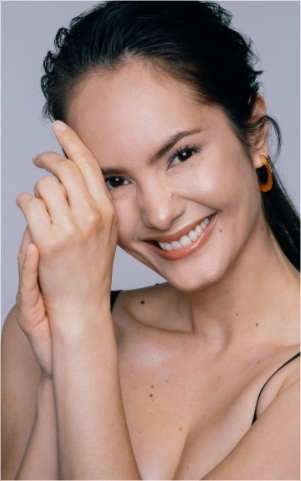


Smooth skin texture has become one of the most talked-about skincare goals across beauty and wellness spaces. For good reason. Even texture is often associated with healthy skin function, youthful appearance, and better makeup application. While the desire for smooth skin is nothing new, the real conversation has shifted toward how to actually achieve it.
Improving skin texture is rarely about a single product or treatment. It usually involves a combination of lifestyle factors, consistent skincare, and, when appropriate, professional interventions.
What Skin Texture Really Means
Skin texture refers to the surface quality of the skin, both how it looks and how it feels. When texture is smooth, the skin barrier appears even and balanced. When it is not, you may notice bumps, rough patches, flakes, enlarged pores, or shallow depressions.
These textural irregularities are common and can arise from a range of causes, including dehydration, buildup of dead skin cells, inflammation, or gradual loss of collagen and elastin. While trends may glamorize ultra-smooth “glass skin,” texture issues are often a signal that the skin needs support rather than correction.
Lifestyle, Diet, and Environment
Skin is closely connected to internal health. Diet plays a role in how the skin behaves, particularly when it comes to inflammation, congestion, and barrier function. New breakouts or roughness can sometimes be traced back to recent dietary changes, supplements, or sensitivities.
Hydration also matters. Dehydrated skin tends to show texture more prominently, including fine lines, rough patches, and dullness. When the skin lacks sufficient water, its barrier function weakens, making it more vulnerable to environmental stressors.
Environmental exposure is another major factor. Seasonal changes, allergens, pollution, and especially UV exposure can disrupt the skin barrier and contribute to uneven texture. Consistent sun protection remains one of the most effective ways to preserve smoothness over time.
Texture-Focused Skincare
Once lifestyle and environmental factors are addressed, skincare becomes the next layer of support. The most effective approach depends on what is causing the texture concern.
If the skin feels bumpy or congested and pores appear enlarged, the issue is often dead skin cell buildup. In these cases, chemical exfoliants such as hydroxy acids or carefully introduced retinoids can help improve cell turnover.
If the skin feels dry, flaky, or rough, dehydration is usually the primary issue. Hydrating and barrier-supporting ingredients like hyaluronic acid, ceramides, and glycerin help restore smoothness by reinforcing the skin’s protective layer.
If fine lines or unevenness are related to loss of firmness, collagen and elastin support becomes key. This is where topical actives can help, but they may not be sufficient on their own.
Professional Treatments for Texture
Some texture concerns extend beyond what skincare alone can address. In these cases, non-surgical cosmetic treatments can provide deeper, more targeted results.
Microneedling
Microneedling works by creating controlled micro-injuries that stimulate collagen and elastin production, helping smooth acne scarring and fine lines over time.
Forma
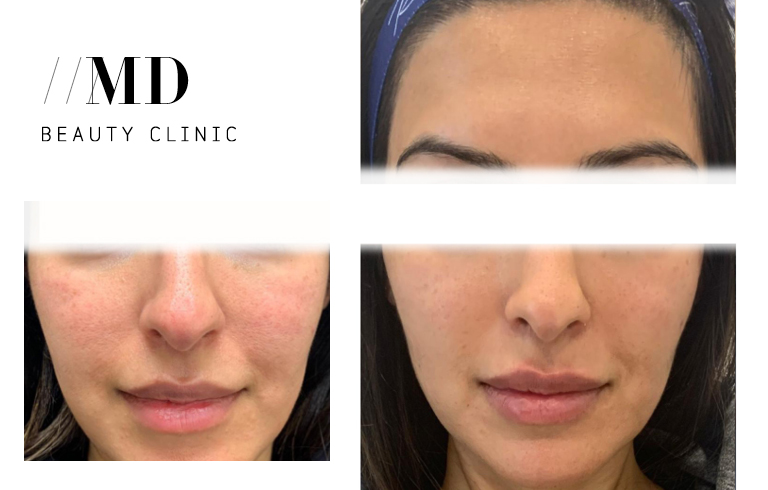
Forma uses radiofrequency energy to gently heat the deeper layers of the skin, improving circulation and tightening tissue for a firmer, more refined surface.

Morpheus8
Morpheus8 combines microneedling with radiofrequency to address multiple contributors to uneven texture, including laxity, scarring, and pigmentation irregularities.

Bringing It All Together
Achieving smoother skin texture is rarely about chasing perfection. It is about understanding what your skin needs and supporting it at multiple levels. Lifestyle habits, daily skincare, and in-clinic treatments each play a role.
If texture has been a concern for you, the solution is likely closer than you think. With the right combination of care, smoother, healthier-looking skin is an achievable and sustainable goal.