


Changing Your Mind: What It’s Like to Dissolve Your Filler
Getting dermal filler is a complex journey that plenty of folks embark upon for a multitude of reasons. Filler is a popular choice for individuals seeking to enhance their facial features or address skin laxity without undergoing surgery. These injectables can smooth wrinkles, add volume to areas like the cheeks and lips, and rejuvenate the skin.
As is the case in many journeys, sometimes patients experience a change in direction and decide to reverse or dissolve their dermal fillers, or they experience complications that require the filler to be removed. In such cases, the process of dissolving fillers becomes essential. Join us as we delve into the reasons why you might dissolve your filler, how the procedure works, and what to expect during and after the process.
Why You Might Choose to Dissolve Your Filler
A fairly common reason why people dissolve their filler is that they aren’t happy with their results. Duh! Everyone has different preferences, but it could be that the outcome looks too different from baseline, is asymmetrical, or simply does not align with the patient’s aesthetic goals and expectations.
Over time, personal preferences can change. What seemed like a desirable enhancement a year ago might no longer fit your current look or style. You may opt to dissolve your fillers to return to a more natural appearance, especially if trends shift or if you decide to embrace your pre-filler look.
Another reason involves filler-related complications. Minor reactions such as lumps, bumps and migrations can occur. More severe adverse reactions might also take place, like infections or vascular occlusion (when the filler blocks a blood vessel), necessitating the removal of the filler.
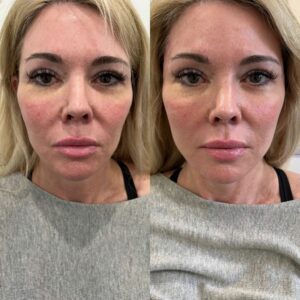
Read our blog post How Much Filler is Too Much? You Might Be Surprised and learn more!
What Can and Can’t Be Dissolved
Before getting into dissolving agents, we’ll give you a quick briefing on the different types of filler available:
- Polymethyl Methacrylate (PMMA): Semi-permanent, synthetic filler, such as Bellafill
- Poly-L-lactic Acid (PLLA): Biodegradable, synthetic, biostimulator, found in Sculptra
- Calcium Hydroxylapatite (CaHA): Naturally derived filler with a dense and thick molecular structure, like Radiesse
- Hyaluronic Acid (HA): A naturally-occurring molecule and the most common type of dermal filler
Semi-permanent filler is not dissolvable—as the name might suggest—which is why we DO NOT recommend it for the face and do not carry it at our clinic. PLLA and CaHA fillers have more complicated means for removal.
HA fillers, on the other hand, are more easily dissolved by an enzyme called hyaluronidase, which is why HA is the more popular option among clinics for general dermal filler procedures.
Hyaluronidase is an enzyme, which means it breaks down a particular molecule—in this case hyaluronic acid. Once the HA molecules are broken down, they are absorbed then excreted by the body.
Step-by-Step: The Filler Dissolving Process
The first step involves a thorough consultation with a qualified medical professional. They will assess the situation, discuss your concerns, and decide on the best course of action. At our clinic, all filler dissolving procedures are performed by experienced medical professionals who understand both the art and the science of aesthetics.
The area of concern is prepped and cleaned. Hyaluronidase is then carefully injected into the areas where the filler needs to be dissolved.
After the injection, close monitoring is required to ensure the desired effect is achieved. Multiple sessions may be required, depending on the amount and location of the filler. You might notice changes almost immediately, as the hyaluronidase starts to break down the hyaluronic acid. However, full results can take up to 24–48 hours.
Side Effects & Recovery
Common side effects include redness, swelling, and bruising at the injection site. This is similar to what you might have experienced following your initial filler injection. These symptoms typically subside within a few days.
Given that sometimes patients require multiple sessions to effectively remove all the filler, it’s a good idea to have a follow-up appointment. This way a professional can assess the results and determine if additional treatments are necessary.
The recovery process is usually quick, with most people resuming their normal activities immediately. However, it’s advisable to avoid strenuous exercise, excessive sun exposure, and other activities that might irritate the treated area for at least 24 hours.
A Fresh Start
Dissolving dermal fillers is a safe and effective procedure that many patients resort to over the course of their cosmetic treatment. Whether due to unwanted results, complications, or a change in personal preference, understanding the process and what to expect can help individuals make informed decisions about their aesthetic treatments.
That’s the great thing about non-surgical cosmetic procedures—they’re low on commitment, and sometimes, that’s just what we want.
If you’re thinking about starting fresh or need guidance about your next step, book a consultation with our expert team today.
Curious about filler options? Check out our guide on injections and fillers.